Maximizing Performance: A Comprehensive Guide to Upgrading Your Jetta 4 Engine
Unlocking engine potential in the Jetta 4 engine requires a strategic approach to upgrades. By concentrating on essential enhancements, owners can boost both performance and reliability. From performance air intakes to ECU remapping, all upgrades play a vital part. Grasping the intricacies of these parts is essential for getting the most out of the vehicle. As the process progresses, the choices made will substantially shape the driving experience. Which upgrades provide the most effective balance between performance and durability?
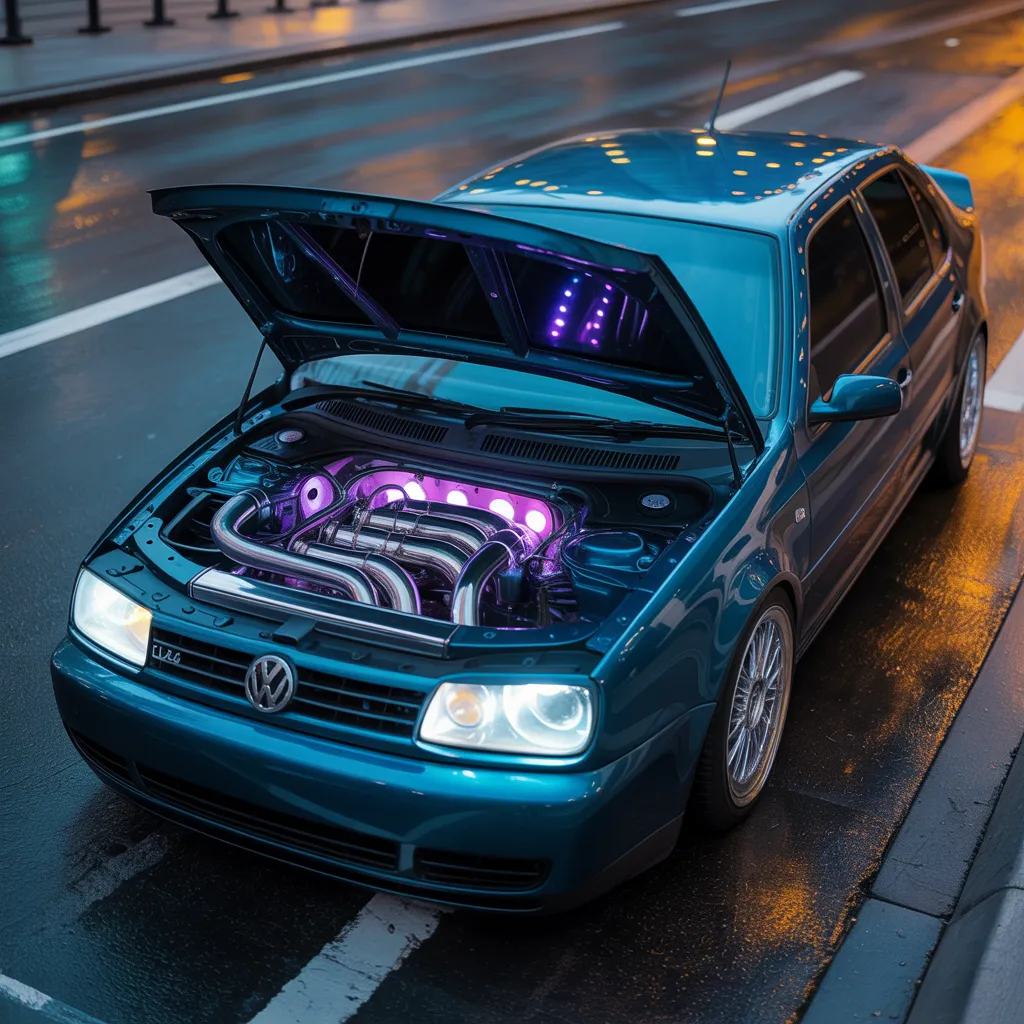
Top Engine Upgrades for Your Jetta 4
When evaluating key engine upgrades for the Jetta 4, performance seekers often prioritize modifications that optimize performance and efficiency. One of the most sought-after modifications is the fitting of a upgraded air induction system. This modification increases airflow to the engine, facilitating better air intake and optimizing throttle performance. Additionally, installing a high-performance exhaust optimizes exhaust output, which can deliver improvements in horsepower and torque.
Another key upgrade is the engine control unit tuning, which fine-tunes fuel maps and ignition timing for better overall performance. This tuning can significantly improve overall drivability and acceleration. Fitting a bigger intercooler is also advantageous, particularly for forced induction models, as it assists in keeping intake temperatures low and boosts efficiency. To round things off, considering a lightweight flywheel can minimize rotational mass, enabling faster engine revs and improved performance. Together, these upgrades lay a strong foundation for a highly capable and efficient Jetta 4 engine.
Finding the Best Performance Upgrades for Your Jetta 4
When upgrading a Jetta 4 engine, choosing the appropriate performance parts is vital for reaching desired results. Understanding the essential performance components can considerably boost engine power and efficiency. This guide will examine critical enhancements that can transform the driving experience.
Overview of Engine Upgrades
Enhancing the engine of a Jetta 4 can greatly improve its overall performance and ride quality. Selecting the right performance parts is vital for reaching the intended outcomes. Available enhancements encompass turbochargers, high-flow air intakes, and performance exhaust systems, every one delivering increased horsepower and torque. Additionally, optimizing engine management software can refine fuel delivery and ignition timing, additionally boosting performance. Prior to implementing enhancements, it is important to evaluate compatibility with existing components and driving preferences. Researching reputable brands and collecting user reviews can support informed decisions. At the conclusion, a well-planned engine upgrade strategy can lead to significant improvements in acceleration, efficiency, and overall driving enjoyment. Careful selection guarantees that enhancements align with individual goals for the Jetta 4.
Key Performance Elements
Choosing the correct performance components for a Jetta 4 is critical to achieving ideal improvements in power and efficiency. Critical improvements include a high-performance air intake system, which improves airflow and improves engine breathing. Coupled with a high-performance exhaust system, this setup can considerably lower back pressure, permitting better exhaust flow and improved horsepower. Upgrading a performance intercooler helps maintain optimal air temperatures, further boosting engine performance. Furthermore, a remapped engine control unit (ECU) can enhance ignition timing and fuel delivery for greater power output. Finally, incorporating suspension upgrades, such as performance shocks and springs, enhances overall handling and stability, guaranteeing that the Jetta 4 can effectively utilize its newfound power on the road.
Exhaust Systems: Choosing the Best for Sound and Power
Although numerous car enthusiasts focus on performance, the decision of an exhaust system can significantly impact both sound and power in a Jetta 4. Installing a high-performance exhaust system can enhance engine efficiency by reducing back pressure, facilitating enhanced airflow. This improvement in airflow not only elevates horsepower output but also delivers a more pronounced exhaust tone that numerous drivers desire.
When picking out an exhaust system, options include cat-back systems, axle-back systems, and headers. Each offers its own advantages and acoustic qualities, from powerful, rumbling tones to sharp, high-pitched notes. The choice of material also plays an important role; stainless steel is preferred for durability and resistance to corrosion.
Ultimately, the ideal exhaust system combines acoustics and power output, complementing the Jetta 4's characteristics while addressing the driver's specific requirements. Careful consideration of these aspects ensures a fulfilling upgrade that improves both vehicle appeal and driving experience.
Turbocharging vs. Supercharging for Your Jetta
When considering how to markedly boost the performance of a Jetta 4, enthusiasts often assess the merits of turbocharging versus supercharging. Turbocharging leverages exhaust gases to rotate a turbine, forcing compressed air into the engine, which amplifies engine power without substantially adding to engine displacement. This technique commonly produces better fuel efficiency and lower emissions, making it a popular choice among tuners.
Conversely, supercharging directly draws power directly from the engine's crankshaft, offering immediate boost. This leads to immediate throttle response and reliable power delivery throughout the entire RPM range. However, supercharged systems can lower overall engine efficiency because of parasitic loss.
At the end of the day, choosing between turbocharging and supercharging is a matter of individual preference. Turbochargers may appeal to those seeking efficiency and peak power, while superchargers draw in drivers who crave instant throttle response. Each option has distinct advantages, giving Jetta 4 owners the flexibility to fine-tune their vehicles according to their preferred driving style.
How to Optimize Your Jetta's Performance Through ECU Remapping
Fine-tuning a Jetta's engine performance through ECU remapping can greatly enhance horsepower and torque. The process entails adjusting the ECU's software to enhance fuel delivery, ignition timing, and boost pressure. By recalibrating these parameters, drivers can experience improved acceleration and overall responsiveness.
Prior to moving forward, it is crucial to choose a trusted tuning expert or use reliable software tailored for Jetta models. Each vehicle may need particular modifications according to its alterations and planned use.
In addition, data logging during test drives can provide valuable insights, enabling further refinements in the tuning process.
Following the completion of the remapping process, drivers ought to perform comprehensive assessments to confirm that performance gains do not compromise engine reliability. This careful approach guarantees that the Jetta delivers a balanced blend of power and efficiency, optimizing the capabilities of the enhanced engine while preserving its lifespan.
Maintenance Tips for Your Upgraded Jetta 4 Performance
Regular maintenance is essential for maximizing the performance of a performance-enhanced Jetta 4. Owners should prioritize regular oil changes, employing top-grade synthetic oil to secure optimal engine lubrication and efficiency. Consistently examining and swapping out air filters is necessary, as a clean filter promotes better airflow and enhances engine performance.
Furthermore, ensuring correct tire pressure and proper alignment results in better handling and greater fuel efficiency. Monitoring and changing spark plugs at suggested intervals can also enhance overall ignition effectiveness, directly impacting driving performance.
It is crucial to track the vehicle's coolant levels and confirm the cooling system is working effectively to prevent overheating. Regular examinations of the braking system and suspension parts are necessary for optimal safety and performance.
Finally, utilizing premium fuel can help enhance engine performance, particularly following major upgrades. By adhering to these service recommendations, Jetta 4 enthusiasts can achieve consistent performance from their modified vehicles.
Frequently Asked Questions
What Is the Typical Cost of a Jetta 4 Engine Upgrade?
The standard cost of upgrading a Jetta 4 engine generally falls from $1,500 to $5,000, depending on the specific modifications, components selected, and work involved, reflecting varying performance goals and individual preferences.
Can I Perform Upgrades Myself, or Should I Hire a Professional?
Improvements can be performed without assistance if the person holds sufficient technical knowledge and equipment. That said, engaging a professional is encouraged for those lacking experience, securing the most favorable outcomes and reducing the likelihood of mistakes while completing the task.
How Do Upgrades Impact My Jetta's Warranty
Aftermarket changes may void a Jetta's manufacturer's warranty, particularly when they affect key mechanical components. It is crucial for Jetta owners to review warranty terms and reach out to certified dealers to understand which upgrades may affect coverage.
What Common Mistakes Should Be Avoided During Engine Upgrades?
Frequent errors during engine upgrades include overlooking compatibility issues, misjudging the difficulty of the installation process, overlooking necessary supporting modifications, neglecting to source dependable components, and disregarding essential tuning needs. These errors can lead to suboptimal performance and potential engine damage.
How Do I Ensure My Upgrades Are Street Legal?
To ensure modifications stay road compliant, it is essential to research local regulations, choose approved components, secure the needed permits, and consult with professionals. Periodic evaluations are beneficial in helping to ensure compliance with safety and emission requirements.
Final Thoughts
In conclusion, improving the Jetta 4 engine provides a pathway to improved performance and a more enjoyable driving experience. By carefully applying critical enhancements—such as improved air intake, exhaust systems, and engine tuning—drivers can achieve significant power and efficiency gains. Strategic sourcing of premium parts and routine maintenance additionally ensures that these improvements sustain consistent performance. At the end of the pertinent details day, a well-upgraded Jetta 4 not only delivers a thrilling driving experience but also stands the test of time on the road.